Top Companies for Commercial Architecture Services
Innovative Architect Designs: Exploring the Value of Skilled Architecture Services
Creative architectural designs are instrumental in defining contemporary spaces. When focusing on sustainability and functionality, architects can build settings that resonate with local requirements. The integration of smart technologies and eco-friendly materials improves energy performance while cultivating collaborative spaces. As design philosophies develop, they adapt to user requirements and reflect local culture. One must consider: to what extent do these aspects merge to transform our built environments and enhance everyday living?
How Architects Contribute to Building Sustainable Spaces
Architects play a vital role in the creation of eco-friendly environments, significantly affecting the environmental effect of constructed spaces. Their expertise allows for the adoption of green building materials, energy-efficient systems, and innovative design principles that decrease the use of resources. By emphasizing sustainable practices, architects are able to develop structures that minimize greenhouse gas output and strengthen overall energy effectiveness.
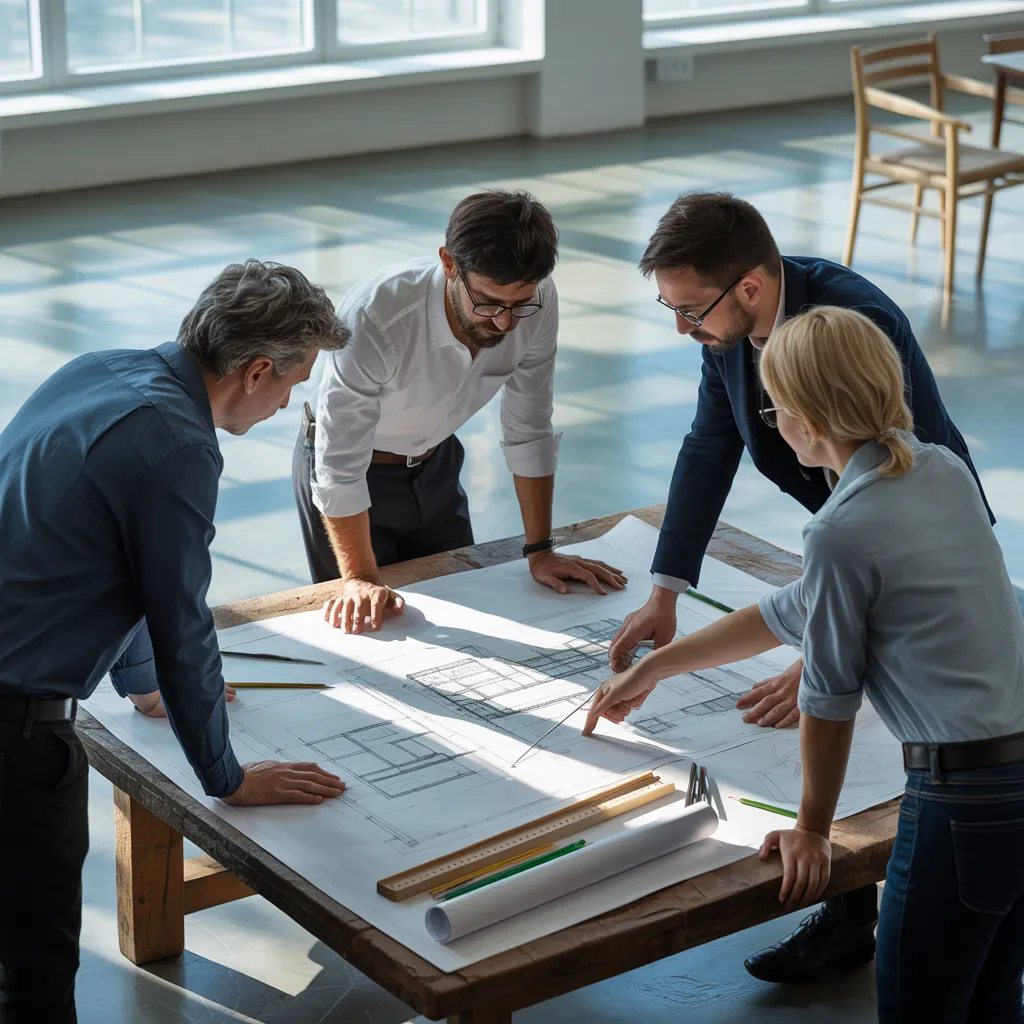
Cooperation with engineers and sustainability experts is of paramount importance in this endeavor, ensuring that both aesthetic and functional criteria are met by designs while adhering to sustainable practices. Furthermore, architects thoughtfully evaluate the surrounding ecosystem, incorporating natural elements and promoting biodiversity that establish a cohesive relationship between built and natural environments.
Through deliberate strategy, architects promote the use of renewable energy sources, such as wind or solar energy, which further reinforces sustainability aims. In the end, their role extends beyond mere construction; architects transform the trajectory of city environments by nurturing a focus on responsible design and environmental stewardship.
Top Innovations in Architectural Design That Enhance Functionality
Several breakthroughs in modern architecture are transforming the way modern spaces function. One prominent advancement is the incorporation of intelligent technology, permitting buildings to cater to the demands of their users through intelligent lighting, temperature regulation, and security features. This enhances energy efficiency and user comfort.
Furthermore, modular construction techniques are gaining traction, enabling faster assembly and greater flexibility in design. These buildings can be conveniently restructured or enlarged, making them suitable for various uses.
Biophilic design, which incorporates elements of nature into building design, supports productivity and well-being, fostering a bond between occupants and the spaces they inhabit.
Furthermore, open floor plans continue to gain popularity, allowing for versatile spaces that can accommodate different activities.
Finally, green materials are being incorporated not only for their eco-friendliness but also for their attractive appearance and resilience, enhancing the overall functionality of modern structures. These innovations collectively contribute to more adaptable and efficient architectural solutions.
How Design Connects Communities
Architecture plays a pivotal role in cultivating bonds within residential areas, establishing settings that facilitate collaboration as well as communication among residents. Carefully planned green spaces, open areas, and shared spaces act as essential social hubs, promoting public participation and a sense of belonging. Design elements such as flexible arrangements and versatile areas facilitate opportunities for local activities and initiatives, enhancing the collective living experience.
Additionally, visit resource designs that incorporate regional culture and history cultivate a distinctive identity, enabling residents to develop a stronger connection to their environment. By emphasizing accessibility and inclusivity, architects guarantee that everyone, regardless of age or ability, can participate in community life.
The inclusion of natural components, such as green spaces and recreational areas, further enriches the community experience, giving residents a retreat and an area for mutual enjoyment. Ultimately, thoughtful architectural design not only shapes physical spaces but also nurtures the relationships that bind communities together.
Maximizing Energy Efficiency Via Expert Architectural Design
A significant shift in favor of sustainable energy use is reshaping the building design landscape, fueling the development of innovative solutions that minimize environmental impact. Skilled architectural expertise serve a vital function in this change by incorporating green methodologies into the design process. These design professionals assess energy consumption patterns and apply advanced materials, such as superior insulation systems and thermally efficient windows, to decrease thermal energy demands.
Furthermore, the adoption of clean energy technologies, like photovoltaic panels and geothermal solutions, not only reduces the need for fossil fuels but also cuts operational costs for building owners. Intelligent building systems continue to boost building energy efficiency, allowing for real-time monitoring and adjustments to energy use.
With careful planning and creative design, skilled architects develop environments that not only comply with stringent environmental standards but also encourage lasting sustainability. This emphasis on energy efficiency ultimately supports a more sustainable planet and stronger communities, highlighting the essential role of architecture in addressing climate change.
Successful Urban Landscape Transformations
A prime illustration involves the rejuvenation of neglected waterfront areas into thriving community spaces, featuring walking paths, parks, and cultural installations. Such transformations not only beautify the landscape but also stimulate regional economies by drawing in visitors and commercial enterprises.
Moreover, thoughtful urban planning acknowledges the distinct characteristics of a district, making certain that each redesign honors its heritage and character. This tailored approach encourages a sense of connection among community members, motivating guardianship of the area. In essence, successful urban landscape transformations highlight the ability of urban planning to transform the urban environment and advance sustainable urban development.
What Does the Future Hold for Innovative Architecture?
How might forward-thinking architecture evolve to meet and respond to the shifting needs of modern society? As urban environments grow increasingly complex, architects are tasked with addressing pressing challenges such as sustainability, affordability, and social equity. Emerging technologies, including artificial intelligence and advanced materials, offer new avenues for design, enabling more efficient construction processes and enhanced energy performance.
Additionally, architects are continually engaging with diverse stakeholders, from community members to sustainability professionals, ensuring that designs reflect the goals and necessities of the people they serve. This participatory approach cultivates resilience, empowering constructions to withstand evolving environmental conditions and community needs.
Furthermore, the adoption of biophilic design principles enhances wellness, connecting inhabitants with nature. As the architectural landscape evolves, the commitment to groundbreaking solutions will stay at the forefront, inspiring the field to create spaces that are functional while also being transformative for generations to come.
Answers to Your Most Common Questions
How Do Architects Work Together With Engineers on Projects?
Architects collaborate with engineers by merging creative designs with technical demands, guaranteeing structural soundness and performance. Regular meetings facilitate communication, allowing both disciplines to address challenges and improve project results through collaborative knowledge and creative approaches.
What Are the Expenses Involved in Hiring an Architect?
The costs associated with hiring an architect generally encompass architectural design fees, project management costs, and potential supplementary charges for site inspections or consultations. These costs can vary considerably depending on the complexity of the project and its location.
What Is the Average Timeframe for the Architectural Design Process?
The architecture design workflow typically takes multiple months, based on the complexity of the project and client needs. Elements including permitting, project revisions, and contractor management may also affect the overall timeline, often extending the duration considerably.
Are Architects Able to Assist With Zoning and Permit Applications?
Indeed, architects provide assistance with permit and zoning applications. Their knowledge helps manage challenging regulatory frameworks and ensures alignment with municipal codes, streamlining the process and improving the chances of gaining the essential approvals for building projects.
What Qualifications Should I Look for in an Architect?
When choosing an architect, one should prioritize qualifications such as education, licensing, experience in relevant projects, effective communication abilities, and a portfolio demonstrating creativity and problem-solving ability. Specific areas of expertise may also matter based on the nature of the project.